
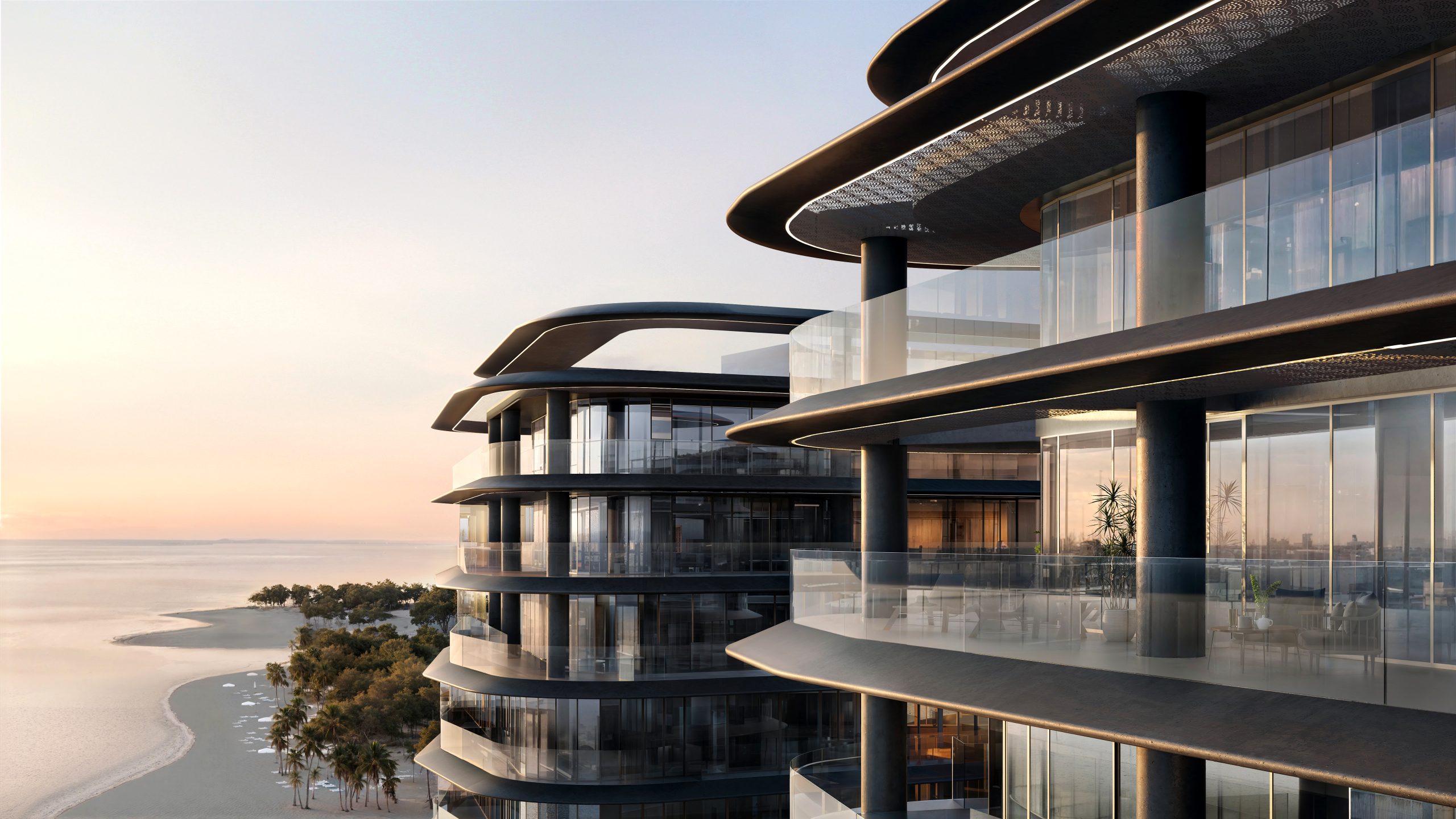
The future of luxury is smarter, greener and more efficient
Luxury in Dubai is changing. Exceptional architecture, premium finishes, private amenities and prestigious locations still matter, but another consideration is becoming increasingly important: how intelligently a property uses energy, water, materials, technology and space. Sustainable Luxury Real Estate Dubai represents this next stage of premium living, where environmental responsibility strengthens comfort rather than compromises it.
For today’s property buyers, sustainability is becoming part of what makes a residence future-ready. Energy-efficient design, smart management systems, responsible materials, solar integration, water conservation and landscaped communities can improve everyday living while reducing avoidable resource use.
Dubai’s wider development direction is reinforcing this transition. The city’s Al Sa’fat system establishes sustainability requirements for new buildings, while the Dubai 2040 Urban Master Plan places green spaces, connected communities and sustainable mobility at the centre of future urban growth.
The result is a clearer idea of modern luxury: a home that looks exceptional, feels effortless and performs intelligently.
Why Sustainable Luxury Real Estate Dubai Is Shaping the Market
For decades, luxury property was communicated mainly through size, exclusivity, rare materials and visible amenities. Sophisticated buyers now look beyond the initial impression and ask how a property will perform after they move in.
Can the building control heat efficiently? Does technology reduce unnecessary consumption? Is water managed responsibly? Are outdoor areas comfortable and well landscaped? Will the architecture remain relevant as regulations and buyer expectations evolve?
These questions are changing the premium property market. Sustainable Luxury Real Estate Dubai brings environmental performance together with privacy, wellbeing, intelligent technology, architectural quality and lifestyle convenience.
The strongest sustainable developments make efficiency feel almost invisible. Residents experience stable temperatures, natural light, responsive technology and thoughtful amenities without constantly managing each system.
Sustainability improves how intelligently luxury is delivered.
Dubai’s Framework for Green Buildings
Sustainable development in Dubai is supported by a clear regulatory direction. Dubai Municipality’s Al Sa’fat Green Building System replaced the earlier Green Building Regulations and Specifications in October 2020.
The system requires new buildings to meet the mandatory Silver Sa’fa level. Projects seeking stronger sustainability performance can pursue additional requirements for Golden or Platinum classifications.
The framework helps buyers distinguish between sustainability as marketing language and sustainability supported by specifications, recognised classifications or verified performance.
Dubai Municipality also identifies core aspects including ecology and planning, building vitality, energy, water, materials and waste. A solar panel, green wall or smart thermostat alone does not make a development sustainable. The whole property must work as one connected system.
Green Technologies Transforming Sustainable Luxury Real Estate Dubai
Technology is accelerating the move towards greener residential development. In Sustainable Luxury Homes Dubai, intelligent systems can respond to occupancy, daylight, temperature, water demand and resident preferences instead of operating every component at full capacity throughout the day.
Solar Energy Integration
Dubai provides an established framework for building owners who want to generate electricity using photovoltaic systems. Under DEWA’s Shams Dubai initiative, electricity generated by an approved solar installation can be used on-site, with surplus electricity exported to DEWA’s grid.
DEWA’s newer Sun Power initiative further streamlines the permit and connection journey for solar adoption.
Within a residential development, solar generation may support suitable common-area loads, lighting, amenities or EV infrastructure. Feasibility depends on roof area, orientation, shading and technical requirements. Renewable-energy systems should improve performance without weakening the architecture.
Smart Energy Management
Smart homes are no longer defined only by controlling lights from a phone. The next generation of residential technology focuses on managing resources intelligently.
Systems can coordinate:
- Air-conditioning and zoned cooling
- Lighting and occupancy sensors
- Automated blinds and shading
- Water heating
- Appliance schedules
- Energy monitoring
- EV charging
For Eco-Friendly Luxury Apartments, automation can create a more personalised environment while reducing unnecessary operation. The technology should feel intuitive and remain largely in the background.
Cooling is particularly important in the UAE. High-performance glazing, effective insulation, external shading, efficient mechanical equipment and smart temperature controls can work together to reduce heat gain and improve thermal comfort.
Savings differ between buildings and residents, so the stronger promise is better performance, greater control and fewer avoidable inefficiencies.
Climate-Responsive Architecture for Dubai
Sustainability ideas cannot simply be imported from cooler climates. Successful Green Buildings Dubai must respond to high solar exposure, heat, humidity, dust, water requirements and intensive cooling demand.
Climate-responsive architecture may include:
- Carefully planned orientation
- High-performance glazing
- Deep balconies and façade shading
- Effective insulation
- Durable exterior materials
- Shaded courtyards and walkways
- Efficient cooling and ventilation systems
- Landscaping designed for local conditions
Natural daylight is essential to premium interiors, but more glass does not automatically create better architecture. Poorly controlled glazing can increase solar heat gain and cooling demand. Sophisticated design balances window size, orientation, views, shading and glass performance.
This balance is especially relevant to Eco-Friendly Luxury Apartments, where buyers expect bright interiors and expansive views without sacrificing comfort.
Natural airflow can also be considered during suitable weather periods. Balconies, shaded terraces, courtyards and operable openings can strengthen indoor-outdoor living while giving residents more choice. Mechanical cooling will remain essential, but thoughtful architecture can reduce unnecessary dependence when external conditions allow.
Water Conservation Without Compromising the Experience
Luxury properties frequently include extensive landscaping, pools, multiple bathrooms and shared amenities. Responsible water management therefore needs to extend across the complete development.
Strategies can include:
- Efficient fixtures and appliances
- Leak detection and consumption monitoring
- Smart irrigation
- Climate-appropriate planting
- Responsible pool operation
- Water reuse for suitable non-potable purposes where permitted
The objective is not to make residents consciously ration water throughout the day. Good design builds efficiency into the property itself.
Smart irrigation can respond to soil moisture, weather and plant requirements. Pools can be operated more intelligently through efficient pumps, leak monitoring and preventive maintenance. Sustainable luxury does not remove valued amenities. It improves how they perform.
For Smart Sustainable Communities, water-conscious landscaping can also provide shade, enhance wellbeing and create a strong community identity.
Sustainable Materials Must Be Durable and Repairable
Material selection influences environmental performance, interior comfort, maintenance and the long-term character of a property.
A more responsible specification process considers:
- Durability and local climatic suitability
- Thermal performance
- Responsible sourcing
- Recycled content where appropriate
- Low-emission finishes
- Maintenance requirements
- Repairability
- End-of-life recovery or recycling
Dubai Municipality’s Green Building Certification supports products and materials that meet approved requirements relating to safety, quality and sustainability.
For luxury development, durability is particularly important. A material may look premium at handover yet perform poorly over its lifecycle if it needs frequent replacement or cannot be repaired without removing large surrounding areas.
Better design considers how components can be maintained, replaced or upgraded with less waste. Modular interior systems, demountable partitions and replaceable façade elements may become increasingly relevant as circular construction principles develop.
Luxury buildings should age gracefully. Long-term quality is itself sustainability.
Biophilic Design and Sustainable Luxury Homes Dubai
Sustainability is not only about engineering. The relationship between residents and nature is equally important.
Biophilic design introduces natural elements through landscaped courtyards, green terraces, shaded gardens, natural materials, daylight, views towards greenery and pedestrian-friendly outdoor areas.
For Sustainable Luxury Homes Dubai, these environments can improve the emotional quality of daily life and give a development a distinctive sense of place. A community should not simply contain green technology. It should feel connected to nature.
Wellness and sustainability often reinforce each other. Natural light, thermal comfort, quieter interiors, greenery, walkability and healthy materials can improve both resident wellbeing and environmental performance.
Landscape-led sustainability can also create stronger community identity. Residents may remember a tree-lined avenue, shaded courtyard or landscaped central park more clearly than a technical specification hidden within the building.
Smart Sustainable Communities Are the Next Step
Individual buildings matter, but the surrounding community also shapes resource use and quality of life. It influences how often residents need to drive, how easily they can access services and whether outdoor spaces are comfortable enough to use.
Smart Sustainable Communities can bring together:
- Walkable planning
- Green corridors and shaded pathways
- Parks and recreational areas
- Cycling connections
- EV charging infrastructure
- Smart lighting and utilities
- Nearby retail and essential services
- Community wellness facilities
- Digital infrastructure and parcel management
This direction aligns with the Dubai 2040 Urban Master Plan, which aims to double green and recreational areas and establish green corridors connecting homes, workplaces and service areas through pedestrian, cycling and sustainable mobility routes.
Luxury will increasingly be defined by what exists outside the residence as much as what exists inside it.
EV Readiness and Future Mobility
Residential developments created today may remain operational for decades. Preparing electrical and parking infrastructure for increased electric-vehicle adoption can be more efficient than retrofitting it later.
Future-ready communities may consider dedicated charging spaces, expandable electrical capacity, smart load management and visitor charging. Where feasible, EV systems can also be coordinated with renewable energy and wider building management.
For luxury buyers, charging infrastructure is moving from novelty to convenience. Its absence could eventually make an otherwise premium property feel dated.
Mobility planning extends beyond private vehicles. Walkability, cycling access, nearby services and well-connected public spaces all influence the sustainability of daily life.
Sustainable Luxury as a Long-Term Investment Strategy
The value of sustainability extends beyond environmental responsibility. For residents, it can support comfort, control, wellbeing and more efficient operations. For investors, Sustainable Luxury Real Estate Dubai raises an important question: will the property remain relevant as expectations evolve?
Sustainability alone does not guarantee capital appreciation. Value still depends on location, demand, architecture, construction quality, amenities, maintenance and developer reputation.
However, a residence that combines a strong location with efficient systems, intelligent technology, durable materials, landscape quality and future-ready infrastructure may appeal to a growing group of buyers who evaluate both lifestyle and performance.
Investors should also consider the cost of buying a property that is not adaptable. An older building may eventually need upgrades to glazing, cooling, lighting, controls or EV infrastructure to remain competitive.
For anyone evaluating Luxury Property Dubai, sustainability should form part of due diligence alongside service charges, build quality, rental demand and long-term maintenance.
The Risk of Sustainability Obsolescence
As new developments introduce stronger environmental performance, older buildings may be compared against them. Properties without smart controls, efficient systems or EV readiness could require significant investment to meet future expectations.
Location may be permanent, but technology and building performance are not.
Investors should ask whether a property can be upgraded without excessive cost or disruption. A well-located building with strong architecture may remain highly desirable if its technical systems can be modernised effectively.
Performance Must Continue After Handover
Sustainable design delivers value only when building systems are installed, configured and operated correctly.
Commissioning helps confirm that cooling, lighting controls, water systems, pumps, monitoring and renewable-energy equipment are functioning as intended. After occupancy, performance can still change because of resident behaviour, incorrect settings, poor maintenance or equipment deterioration.
Professional facility management is therefore central to long-term sustainability. Teams may need to monitor energy use, water consumption, cooling efficiency, indoor air quality, irrigation, solar systems, EV charging and building automation.
Predictive maintenance can use operating information such as temperature, pressure, energy consumption or equipment runtime to identify developing problems before complete failure. This supports reliability while reducing unnecessary replacement.
The sustainability promise should not end at handover. It needs to remain visible in the way the property is managed throughout its life.
Translating Green Features Into Luxury Experiences
Many sustainable technologies sound technical rather than emotional. Premium property buyers are more likely to understand their value when engineering performance is translated into daily benefits.
- Better glazing means cooler, brighter interiors.
- Efficient cooling means more consistent comfort.
- Smart irrigation means greener landscapes with less waste.
- Strong insulation can support quieter interiors.
- EV charging means simpler daily mobility.
- Durable materials mean fewer disruptive replacements.
This translation is important because the luxury experience remains human. Buyers care about comfort, time, privacy, reliability and the quality of their surroundings.
The best strategies improve those experiences without asking residents to compromise them.
How Cosmo Developments Connects Luxury and Sustainability
The official Cosmo Developments website presents sustainability as one of the company’s core principles, alongside exclusivity and architectural ingenuity. Its design philosophy also refers to blending form, function and human experience while creating intelligent, future-ready spaces.
Cosmo’s published description of Taormina Village in Dubailand highlights extensive landscaping, environmentally friendly policies and proximity to parks, schools, mosques and community retail. These elements reflect several priorities shaping the future of premium residential development:
Landscape-Led Living
Green space can contribute to recreation, visual comfort, community interaction and a stronger connection between residents and their surroundings.
Contemporary Residential Design
Sustainability works best when it is integrated into architecture, materials, landscape and technology rather than added as a separate feature.
Community-Focused Planning
Access to parks, schools, retail and community services can reduce daily friction and support a more complete residential experience.
Within Sustainable Luxury Real Estate Dubai, the opportunity for Cosmo Developments is to keep turning these principles into clear project-specific decisions that buyers can understand and, where applicable, verify.
What Buyers Should Ask About Sustainable Property
Sustainability data is likely to become a larger part of property due diligence. Buyers and investors should ask:
- What green-building classification does the project hold?
- How does the façade manage solar heat gain?
- What type of cooling and energy controls are installed?
- Is energy or water consumption monitored?
- Is solar generation included or technically feasible?
- How is landscaping irrigated?
- Is EV charging available and expandable?
- Which materials were selected for durability and indoor comfort?
- How will the systems be maintained after handover?
- Can environmental claims be supported by specifications or certification?
Independent verification, recognised standards and measurable data give sustainability claims greater credibility. They also help buyers compare projects using more than promotional language.
The Future of Sustainable Luxury Real Estate Dubai
The next generation of premium developments will move beyond individual green features. Sustainability will be embedded across planning, architecture, engineering, construction, landscaping, technology, operations and resident experience.
Future properties are likely to place greater emphasis on smart resource management, climate resilience, EV readiness, adaptable interiors, durable materials, predictive maintenance and performance data. Communities will also be expected to provide better shade, walkability, green space and access to everyday services.
The strongest Sustainable Luxury Real Estate Dubai developments will not make environmental responsibility feel like a separate layer added to luxury. They will make it part of the definition of quality itself.
When energy, water, materials, mobility, landscape and technology work together, the result is not simply a greener property. It is a more comfortable, resilient and future-ready place to live.
Stay updated with Cosmo Developments, your trusted partner in shaping the future of luxury residences in the UAE. Visit our website to explore our latest projects, follow us on Instagram and Facebook , for community highlights and design previews, and connect with us on LinkedIn for corporate updates