

What Makes Communities Safe in Luxury Apartments in Abu Dhabi
When people shortlist Luxury apartments in Abudhabi, they often fall in love with the views, the finishes, and the lifestyle promise. But the strongest communities – whether you’re comparing a waterfront concept like Brabus Island in Abu Dhabi or looking internationally at Shoma Bay in Miami – earn trust in a quieter way: through layered safety systems that work every single day. A genuinely “safe” community is not built on one feature (like cameras) but on how CCTV, access control, and emergency infrastructure operate together, backed by clear procedures and codes.
This blog breaks down what those systems actually mean, how they’re supposed to function, and what you should look for when evaluating a building or master community – so you can assess safety with the same confidence you assess design.
Brabus Island, Shoma Bay & Luxury apartments in Abudhabi: the real safety checklist buyers should use
Luxury branding can make everything look secure. The smarter question is: what safety layers exist, and do they reinforce each other? The most widely used approach in security planning is “layering” – designing the environment to naturally discourage risk, controlling entry points, and ensuring rapid response when something does happen. A helpful framework here is CPTED (Crime Prevention Through Environmental Design), which emphasizes natural surveillance, access control, territorial reinforcement, and maintenance.
Think of it in three layers:
- Prevention (design + access control reduce opportunity)
- Detection (CCTV + monitoring notices issues fast)
- Response (emergency systems + protocols protect life)
If any one layer is weak, the entire “safe community” story becomes fragile.
1) CCTV: What cameras can do – and what they can’t
CCTV is valuable, but only when it’s designed like a system, not installed like decor.
CCTV works best as part of a wider plan
Research syntheses and reviews generally find CCTV can reduce crime modestly, with effectiveness varying by setting and implementation (for example, stronger effects often reported in controlled environments like parking areas).
The important takeaway for homeowners: cameras are most useful when paired with good lighting, controlled access, and active monitoring – not when they’re passive “recording only” devices.
What to look for in a well-run CCTV setup
- Coverage of decision points: entrances/exits, lobbies, elevators, parking gates, corridors, loading/service zones
- Good lighting + clear image quality: poor lighting makes footage less actionable
- Monitoring and escalation: who watches it (onsite security? third-party control room?), and what happens when something is detected
- Retention and privacy policy: clear rules on storage duration and who can access footage
A practical buyer tip: ask, “Is CCTV actively monitored, or only reviewed after incidents?” The answer changes the real-world value of the system.
2) Access Control: The difference between “secure” and “actually controlled”
If CCTV is your eyes, access control is your gatekeeping.
In professional security language, physical access control systems regulate entry by authentication and authorization at access points – meaning who can enter where, and when.
Key access control layers in residential communities
Perimeter control
- guarded entry gate, boom barrier, license plate recognition (where applicable)
- visitor management and logging
Building control
- controlled lobby entry (cards, fobs, mobile credentials)
- lift access control (restrict floors based on authorization)
- separate service routes (deliveries/maintenance shouldn’t share private resident corridors)
Unit-level control
- smart locks or secure mechanical locks (depending on building spec)
- intercom/video door phone integration (so residents can verify visitors)
Why standards matter (even if residents never read them)
A sign of maturity is when systems are certified/tested to recognized safety and performance standards. For example, UL Solutions describes UL 294 as a standard used to evaluate access control system units for safety/performance, which is relevant because access control often interacts with door hardware and egress requirements.
Important nuance: “More locks” is not always better. Over-securing doors without proper egress planning can create safety risks during emergencies – so access control must be designed to work with evacuation rules.
3) The “Invisible” Safety Layer: Design that discourages risk (CPTED)
Some communities feel safe before you even notice the cameras. That’s often CPTED in action.
CPTED guidance emphasizes that smart design can meet security goals through natural surveillance and natural access control – clear sight lines, well-used public spaces, good lighting, and layouts that reduce hidden corners and dead zones.
What CPTED looks like in real residential design
- Clear sight lines: you can see lobbies, corridors, and pathways without blind turns
- Lighting consistency: not just bright at the entrance and dark in the corners
- Active edges: community spaces that feel “occupied,” reducing isolation
- Maintenance culture: well-maintained areas signal ownership and reduce opportunities for misuse (a core CPTED concept)
When evaluating Luxury apartments in Abudhabi, this layer matters because it improves safety without making life feel restricted.
4) Emergency Infrastructure: the systems that protect life (not just property)
A truly safe community is measured by how it performs in rare, high-stakes moments – fire, smoke, power failure, medical emergencies, or building evacuations.
Fire detection and alarm systems
Fire alarm systems are designed for early detection and alerting occupants through detectors and audible/visual alarms – this is a foundational safety requirement in modern buildings. Abu Dhabi Civil Defence guidance describes fire alarm systems in exactly these terms and includes other fire safety systems like indoor extinguishing systems (sprinklers).
Globally, NFPA 72 is the primary code framework for fire alarm and signaling system provisions.
Means of egress and emergency lighting
During an emergency, people must be able to exit safely – even if normal power fails. NFPA 101 (Life Safety Code) includes requirements for emergency lighting along egress paths (stairs, corridors, aisles leading to exits).
What to look for as a buyer:
- clearly marked stairwells
- emergency lights in corridors and exit routes
- well-maintained exit signage
- fire-rated doors and protected stair cores (often part of life safety design)
Local code alignment in the UAE
In the UAE context, communities commonly align with the UAE Fire and Life Safety Code of Practice overseen by Civil Defence authorities; Dubai Civil Defence hosts information about the code and its preventive safety role.
For residents, the practical implication is: ask whether the building is designed and maintained to local Civil Defence requirements and inspection expectations – not just “installed once and forgotten.”
5) Emergency response readiness: procedures, drills, and coordination
Hardware alone doesn’t create safety. People and processes complete the system.
A strong community typically has:
- an incident response plan (who does what, when)
- clear escalation paths (security → building management → emergency services)
- tested communication methods (SMS alerts, PA systems, control room protocols)
On the standards side, ISO 22320 provides guidance for incident management – focusing on roles, responsibilities, coordination, and structured response.
Buyer question to ask (simple but powerful):
“What happens in the first 5 minutes if there’s smoke, a medical emergency, or a security incident?”
6) How to assess a community quickly during a site visit
When you walk into a building, you can read its safety maturity fast – without being technical.
Do a 3-minute “real life” scan:
- Entry: Is there a single controlled entry, or multiple uncontrolled side doors?
- Lobby: Is security positioned to see the main approach and elevators?
- Elevators: Is access restricted or open to all floors?
- Corridors: Are they bright, clean, and clearly visible end-to-end?
- Parking: Are pedestrian paths separated from vehicles? Are corners lit?
- Stairwells: Are they clearly marked and accessible (not blocked, not hidden)?
These cues often tell you more than a checklist.
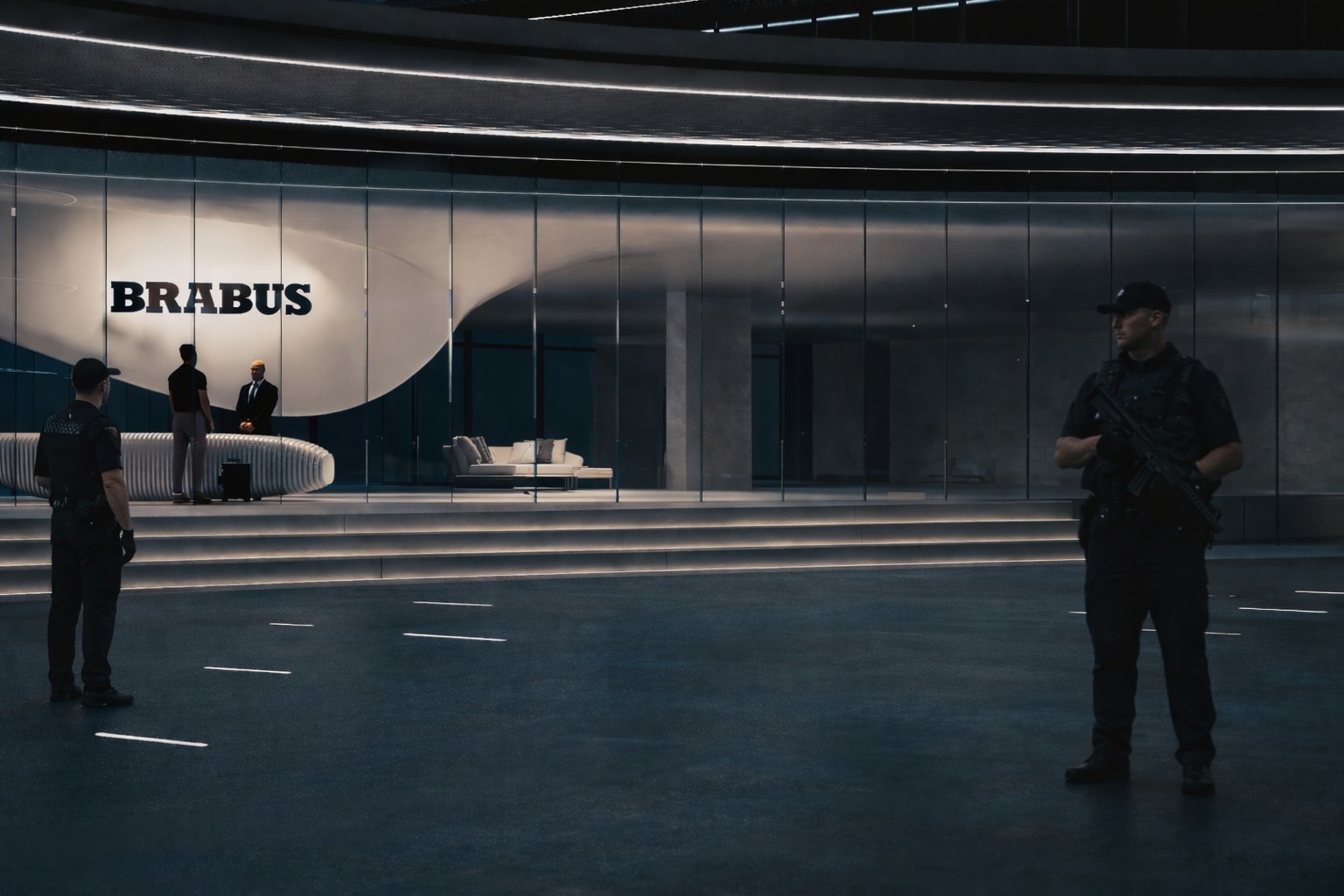
Brabus Island vs Shoma Bay: why the same safety logic applies in Abu Dhabi and Miami
You mentioned an important clarification: Brabus Island is in Abu Dhabi, and Shoma Bay is in Miami – different climates, different city rules, but the same fundamentals of safe community design.
Whether you’re reviewing Brabus Island brochures, comparing international options like Shoma Bay, or filtering Luxury apartments in Abudhabi, your decision improves when you evaluate:
- how entry is controlled,
- how risks are detected,
- how emergencies are handled,
- and whether safety is a living system (maintained, monitored, trained).
Luxury isn’t only marble and waterfront views. It’s also the confidence that your community can prevent problems – and respond properly when they happen.
The Role of Technology Integration in Modern Safe Communities
In today’s high-end developments, safety systems no longer operate in isolation. The most reliable communities integrate CCTV, access control, and emergency infrastructure into a single, coordinated ecosystem.
In well-managed Luxury apartments in Abudhabi, this often means:
- CCTV feeds linked to a central control room
- Access control systems integrated with lift management
- Fire alarms connected to building management systems (BMS)
- Emergency alerts that trigger predefined response protocols
This integration ensures that when one system detects an issue, others respond automatically – reducing reaction time and human error. For residents, this translates into faster assistance and clearer communication during critical moments.
Human Presence: Why Staff and Training Still Matter
Technology alone does not create safety. The human layer remains just as important.
A truly safe community typically includes:
- trained security personnel who understand escalation protocols,
- front-desk or concierge teams aware of visitor management procedures,
- maintenance staff trained to identify and report safety hazards early.
Even in premium international projects such as Shoma Bay in Miami, where advanced technology plays a large role, on-site personnel act as the first line of reassurance for residents. Their presence builds confidence that systems are not only installed – but actively managed.
Emergency Preparedness Beyond Infrastructure
While alarms, sprinklers, and exits are essential, preparedness also depends on planning and awareness.
Well-run residential communities often:
- conduct periodic fire and emergency drills,
- provide residents with clear evacuation maps,
- communicate emergency procedures during move-in or via resident portals,
- maintain updated contact lists for rapid alerts.
In Luxury apartments in Abudhabi, this preparedness is especially critical due to high-rise living, where coordinated evacuation and communication can significantly impact outcomes during emergencies.
Privacy vs Safety: Finding the Right Balance
One concern buyers sometimes raise – especially in luxury developments – is whether increased security compromises privacy.
A well-designed system avoids this trade-off by:
- positioning cameras in common areas, not private zones,
- restricting access to footage through strict protocols,
- using access logs responsibly and transparently.
In projects like Brabus Island, where exclusivity and privacy are core value propositions, safety systems are most effective when they operate quietly in the background – protecting residents without feeling intrusive.
Maintenance: The Most Overlooked Safety Factor
A safety system is only as strong as its maintenance schedule.
Over time:
- cameras can lose focus,
- access cards can malfunction,
- emergency lights can fail,
- alarm sensors can drift out of calibration.
High-quality communities implement:
- routine inspections,
- preventive maintenance schedules,
- third-party audits or certifications where applicable.
When evaluating Luxury apartments in Abu Dhabi, asking about ongoing maintenance practices often reveals more about real safety standards than asking about installed equipment alone.
How Safety Impacts Long-Term Property Value
Safety is not just a lifestyle feature – it is an asset.
Communities with strong, well-documented safety systems tend to experience:
- higher resident satisfaction,
- lower vacancy rates,
- stronger resale and rental demand,
- better long-term reputation.
For investors comparing destinations like Brabus Island in Abu Dhabi or international developments such as Shoma Bay, safety infrastructure plays a subtle but powerful role in protecting long-term value.
Final Reflection: Safety Is a Living System, Not a Checklist
A secure community is not defined by how many cameras it has or how impressive its access gates look. It is defined by how thoughtfully all safety elements work together – day after day.
The strongest communities combine:
- intelligent design,
- controlled access,
- reliable emergency systems,
- trained people,
- and consistent maintenance.
Whether you are assessing Luxury apartments in Abudhabi, exploring iconic developments like Brabus Island, or comparing global benchmarks such as Shoma Bay, understanding these layers empowers you to choose not just a beautiful home – but a genuinely safe one.
FAQs
1. What makes a residential community truly safe?
A safe community combines layered security – CCTV for monitoring, controlled access points, and reliable emergency infrastructure – supported by trained staff and clear response protocols.
2. Is CCTV enough to ensure safety in luxury apartments?
No. CCTV works best when paired with access control, proper lighting, and active monitoring. Cameras alone record incidents but don’t always prevent them.
3. Why is access control important in luxury apartments in Abu Dhabi?
Access control ensures only authorized residents, guests, and staff can enter specific areas, reducing unauthorized movement and improving overall resident safety.
4. What emergency infrastructure should buyers look for?
Buyers should check for fire alarms, sprinklers, emergency lighting, clear evacuation routes, and compliance with local fire and life safety regulations.
5. How do projects like Brabus Island and Shoma Bay approach community safety?
While Brabus Island in Abu Dhabi and Shoma Bay in Miami operate under different regulations, both rely on the same core principles – controlled access, surveillance, and emergency preparedness – to protect residents.
Stay updated with Cosmo Developments, your trusted partner in shaping the future of luxury residences in the UAE. Visit website to explore our latest projects, follow us on Instagram and Facebook , for community highlights and design previews, and connect with us on LinkedIn for corporate updates