
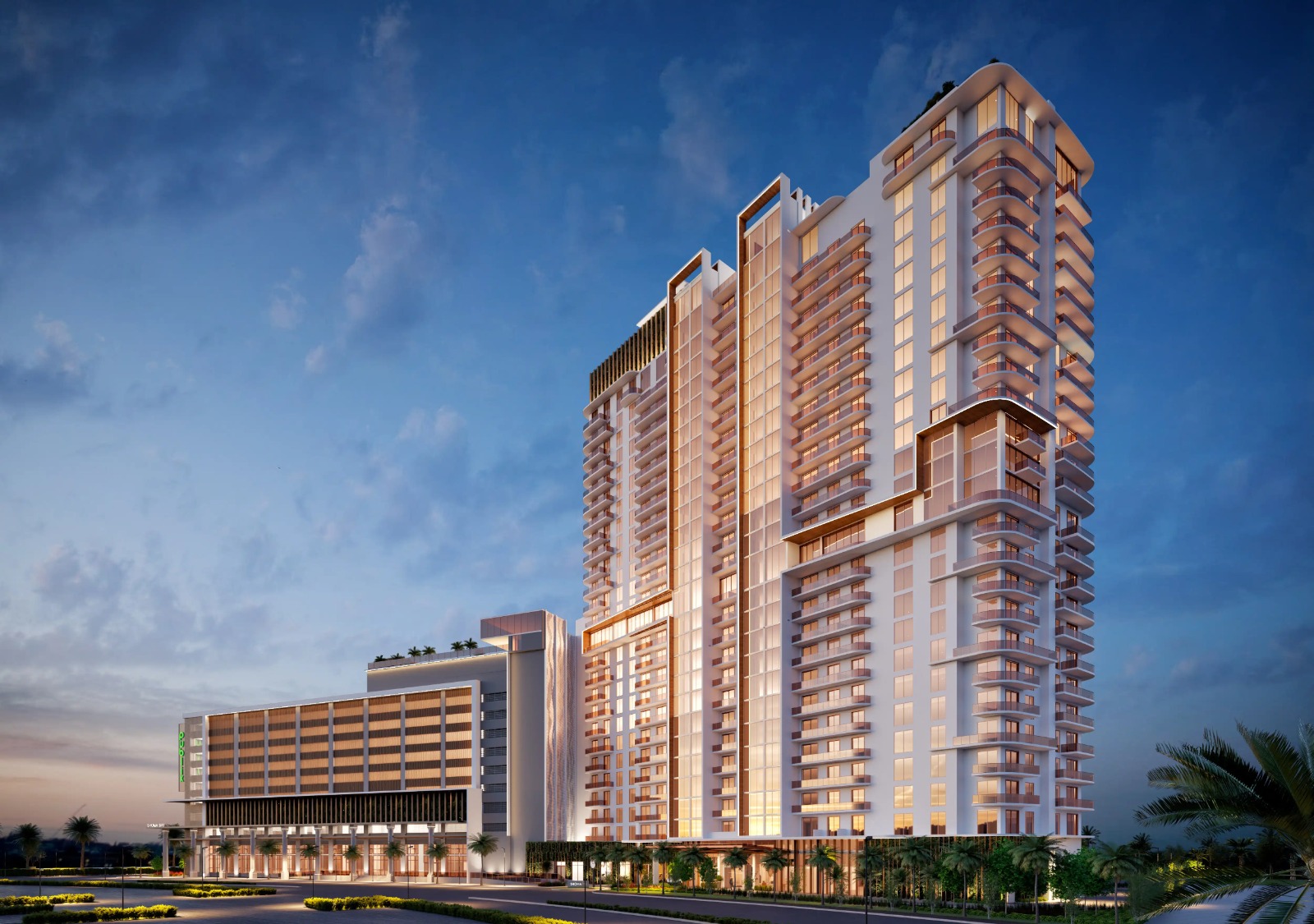
How Waterfront Design Is Shaping Global Residential Living
Luxury apartments in Abu Dhabi, Brabus Island, and Shoma Bay illustrate how design-led waterfront projects are setting a new benchmark for coastal living across regions.
Waterfront living is redefining how cities approach premium residential development, shifting the focus from isolated luxury to thoughtfully planned, lifestyle-driven communities.
Across global coastal markets, proximity to water now shapes architecture, wellness, and long-term liveability.
Developed by Cosmo Developments, Brabus Island in Abu Dhabi and Shoma Bay in Miami reflect a shared philosophy of creating distinctive residential environments that integrate architecture, amenities, and water-centric lifestyles. While each project responds to its local context, both demonstrate how waterfront developments can be designed as cohesive destinations rather than standalone residential buildings.
Global Waterfront Living and the Shift Toward Design-Led Communities
Luxury waterfront housing has evolved beyond scenic views. Today, buyers and residents increasingly value how a development functions as a complete ecosystem – where architecture, public spaces, amenities, and access to water work together to shape everyday living.
Design-led and branded residences have emerged in response to this shift, offering clear identity and consistency across the built environment. These projects focus not only on individual homes but also on how residents interact with their surroundings, their neighbours, and the waterfront itself.
Both Brabus Island and Shoma Bay align with this global movement, each interpreting waterfront living in a way that suits its city while maintaining a strong emphasis on lifestyle and long-term usability.
Top Waterfront Communities in Abu Dhabi
Abu Dhabi’s coastline features several established and emerging waterfront districts, each offering a different interpretation of luxury residential living.
1. Saadiyat Island – Cultural Waterfront Living
Saadiyat Island is widely recognised for combining beachfront living with cultural institutions, hospitality, and premium residential developments. Its integration of coastline, art, and leisure has made it one of the most prominent waterfront destinations in Abu Dhabi.
2. Yas Island – Entertainment-Focused Coastal Lifestyle
Yas Island is built around entertainment, marinas, retail, and leisure attractions. Waterfront living here is closely linked to an active, family-friendly lifestyle supported by large-scale infrastructure and attractions.
3. Al Raha Beach – Master-Planned Waterfront District
Al Raha Beach is one of Abu Dhabi’s earliest large-scale waterfront communities, featuring canal-front apartments, promenades, retail areas, and beach access. It remains a well-established option for coastal living with strong connectivity.
Brabus Island is located within the wider Al Raha Beach district, introducing a more boutique, island-based concept within this recognised waterfront zone.
4. Al Maryah Island – Urban Waterfront Hub
Al Maryah Island offers a more urban waterfront lifestyle, combining residential towers with business districts, luxury retail, and hospitality. It caters to professionals seeking proximity to commercial and lifestyle amenities.
5. Al Reem Island – High-Rise Coastal Living
Al Reem Island features a dense skyline of residential towers overlooking mangroves and open water. Its accessibility and range of modern apartments have made it one of the most in-demand residential districts in Abu Dhabi.
6. Jubail Island – Nature-Led Waterfront Community
Jubail Island is planned as a low-density residential environment surrounded by mangroves and natural landscapes. Its focus on tranquillity and greenery appeals to residents seeking a quieter form of waterfront living.
7. Al Hudayriyat Island – Active Waterfront Destination
Hudayriyat Island is emerging as a lifestyle and recreation hub, known for cycling tracks, sports facilities, and beachfront attractions. As residential components develop, it is expected to play a growing role in Abu Dhabi’s waterfront ecosystem.
Brabus Island: Verified Waterfront Luxury in Abu Dhabi
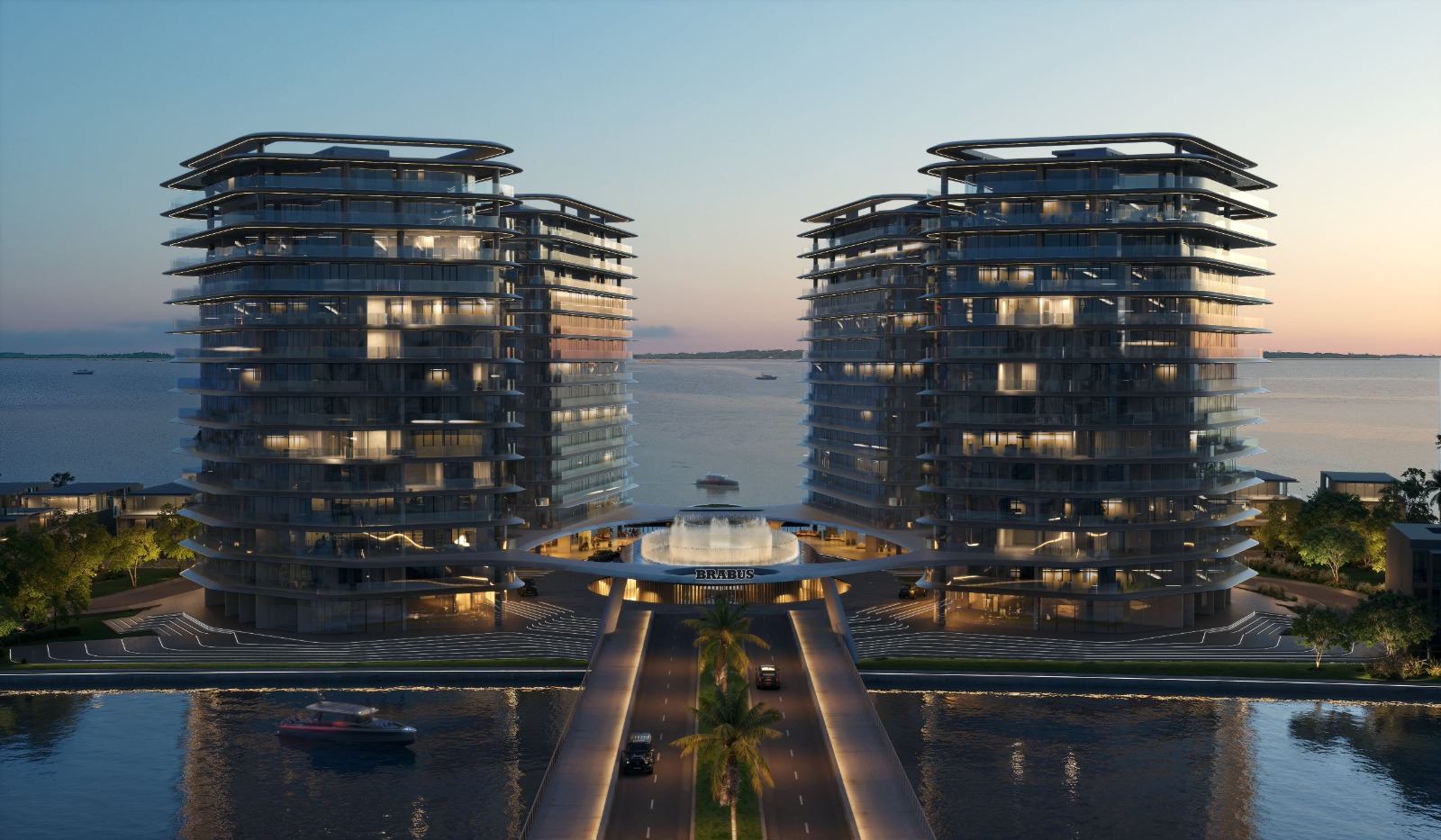
Brabus Island is a purpose-built waterfront island development located within the Al Raha Beach area of Abu Dhabi. The project is masterplanned as a private island community, with water playing a central role in its layout and residential experience.
Waterfront Characteristics
- A private island setting surrounded by water
- Private beach access exclusively for residents
- A dedicated marina for yachts and boats
- Apartments and villas oriented to maximise water views
- Architecture designed to emphasise natural light and openness
These features are confirmed in official Brabus Island fact sheets and form the foundation of its waterfront positioning.
Residential Scale and Design
The apartment phase comprises 352 residential units, supported by amenities such as swimming pools, fitness facilities, landscaped outdoor spaces, and shaded seating areas. The development’s controlled scale creates a more intimate residential environment compared to larger waterfront districts.
Interiors follow a modular design approach, offering three curated palettes – Black and Bold, White Bliss, and Gray Haven – allowing residents to personalise their homes while maintaining a consistent design language across the island.
Villas – Chapter Two
The second phase introduces 92 villas, including beach villas, lake villas, twin villas, townhouses, penthouses, and VIP villas. Each villa type incorporates private outdoor space, terraces or gardens, and strong visual connections to water or landscaped surroundings.
Location Context
While Brabus Island offers a distinct island identity, it benefits from its location within Al Raha Beach, providing access to existing road networks, nearby schools, retail, and coastal infrastructure. This combination of privacy and connectivity positions it uniquely among luxury apartments in Abu Dhabi.
Shoma Bay: Verified Bayfront Waterfront Living in Miami
Shoma Bay is a bayfront residential development located in North Bay Village, Florida, an island city surrounded by Biscayne Bay between Miami and Miami Beach.
Waterfront Verification
Based on the official Shoma Bay fact sheet and project information:
- The development is situated in a bayfront island environment
- Residences offer panoramic water views
- Floor-to-ceiling glass and balconies are designed to orient homes toward the bay
- Amenity decks and shared spaces overlook the water
- The project sits close to marinas and coastal landmarks
These characteristics confirm Shoma Bay’s status as a waterfront, bay-facing residential project.
Residential Overview
Shoma Bay includes 390 residences, comprising studios, one- to three-bedroom apartments, and lower penthouses and penthouses. The development places strong emphasis on lifestyle amenities, including wellness facilities, co-working lounges, leisure areas, concierge services, and resident-focused shared spaces.
Unlike Brabus Island’s private island format, Shoma Bay expresses waterfront living through vertical architecture integrated into Miami’s coastal urban fabric.
How Waterfront Design Influences Everyday Living
Waterfront design directly affects how residents experience their homes. Access to natural light, visual openness, and proximity to water contribute to comfort, wellness, and a stronger connection to the surrounding environment.
At Brabus Island, the island layout supports privacy, controlled access, and quieter surroundings. Beaches, terraces, and waterfront promenades become part of daily routines rather than occasional amenities.
At Shoma Bay, panoramic glazing, shared leisure decks, and amenity spaces allow residents to engage with the bay despite a high-rise, urban setting. In both cases, waterfront design functions as an integral part of daily living rather than a purely visual feature.
Global Influence, Local Identity
The relationship between Brabus Island and Shoma Bay is conceptual rather than direct. Both projects reflect global trends toward design-led waterfront living, strong architectural identity, and amenity integration.
Brabus Island adopts a calm, composed aesthetic aligned with Abu Dhabi’s coastal preferences for space, privacy, and understated luxury. Shoma Bay reflects Miami’s urban energy through vertical density, social spaces, and expansive bay views.
The Future of Luxury Apartments in Abu Dhabi
The evolution of luxury apartments in Abu Dhabi points toward several consistent trends:
- Growing emphasis on waterfront and island communities
- Increased interest in design-led or branded residences
- Higher demand for wellness, light, and outdoor connectivity
- Greater expectations around thoughtful masterplanning
Projects such as Brabus Island align with these trends by offering a clearly defined identity, verified waterfront access, and a balanced approach to lifestyle and long-term liveability.
Stay updated with Cosmo Developments, your trusted partner in shaping the future of luxury residences in the UAE. Visit website to explore our latest projects, follow us on Instagram and Facebook , for community highlights and design previews, and connect with us on LinkedIn for corporate updates
Conclusion
Properties developed by Cosmo Developments, including Brabus Island and Shoma Bay, demonstrate how waterfront residential projects can be shaped by both global design thinking and local context. While each development responds to its city in a different way, both reflect a commitment to creating cohesive, water-centric living environments.
For residents exploring luxury apartments in Abu Dhabi or international waterfront homes, understanding how each community expresses waterfront living – through culture, nature, urban energy, or boutique island design – remains essential. Within Abu Dhabi’s evolving coastline, Brabus Island stands out as a clearly verified waterfront island concept shaped by thoughtful planning and design.
FAQ’S
1. What makes Brabus Island different from other waterfront communities in Abu Dhabi?
Brabus Island stands apart through its boutique island concept, curated architecture, and strong design identity. Unlike larger districts, it offers a more intimate environment with limited residences, BRABUS-inspired interiors, and a cohesive masterplan led by Cosmo Developments. This creates a unique lifestyle experience within the wider landscape of luxury apartments in Abu Dhabi.
2. How does Shoma Bay relate to the design direction of Brabus Island?
Shoma Bay in Miami is often referenced as an example of design-led, lifestyle-focused coastal living. Its emphasis on branded identity, modern architecture, and community-driven amenities reflects global trends that are influencing new developments. Brabus Island aligns with these principles while adapting them to Abu Dhabi’s cultural and coastal context.
3. Are luxury apartments in Abu Dhabi becoming more focused on waterfront living?
Yes, waterfront living is increasingly shaping the demand for luxury apartments in Abudhabi. Buyers today prioritise natural light, sea views, open layouts, and outdoor connectivity. This shift has led to the rise of communities like Saadiyat, Yas, Jubail, and Brabus Island – each offering a different interpretation of luxury coastal living.
4. What should buyers look for when choosing among Abu Dhabi’s waterfront communities?
Buyers should consider several factors: masterplan quality, architectural style, proximity to schools and amenities, developer reputation, and the overall feel of the community. Each waterfront district – from Saadiyat’s cultural setting to Brabus Island’s boutique identity – offers a distinct lifestyle, so choosing depends on personal preferences and long-term needs.
5. Is Brabus Island designed for families, investors, or end-users?
Brabus Island is positioned to appeal to a broad audience, including families, design-focused residents, and lifestyle-driven buyers. Its boutique scale, curated interiors, and waterfront planning make it suitable for end-users who value privacy and character. While it may interest investors as part of Abu Dhabi’s growing luxury segment, the blog does not imply any financial guarantees.