
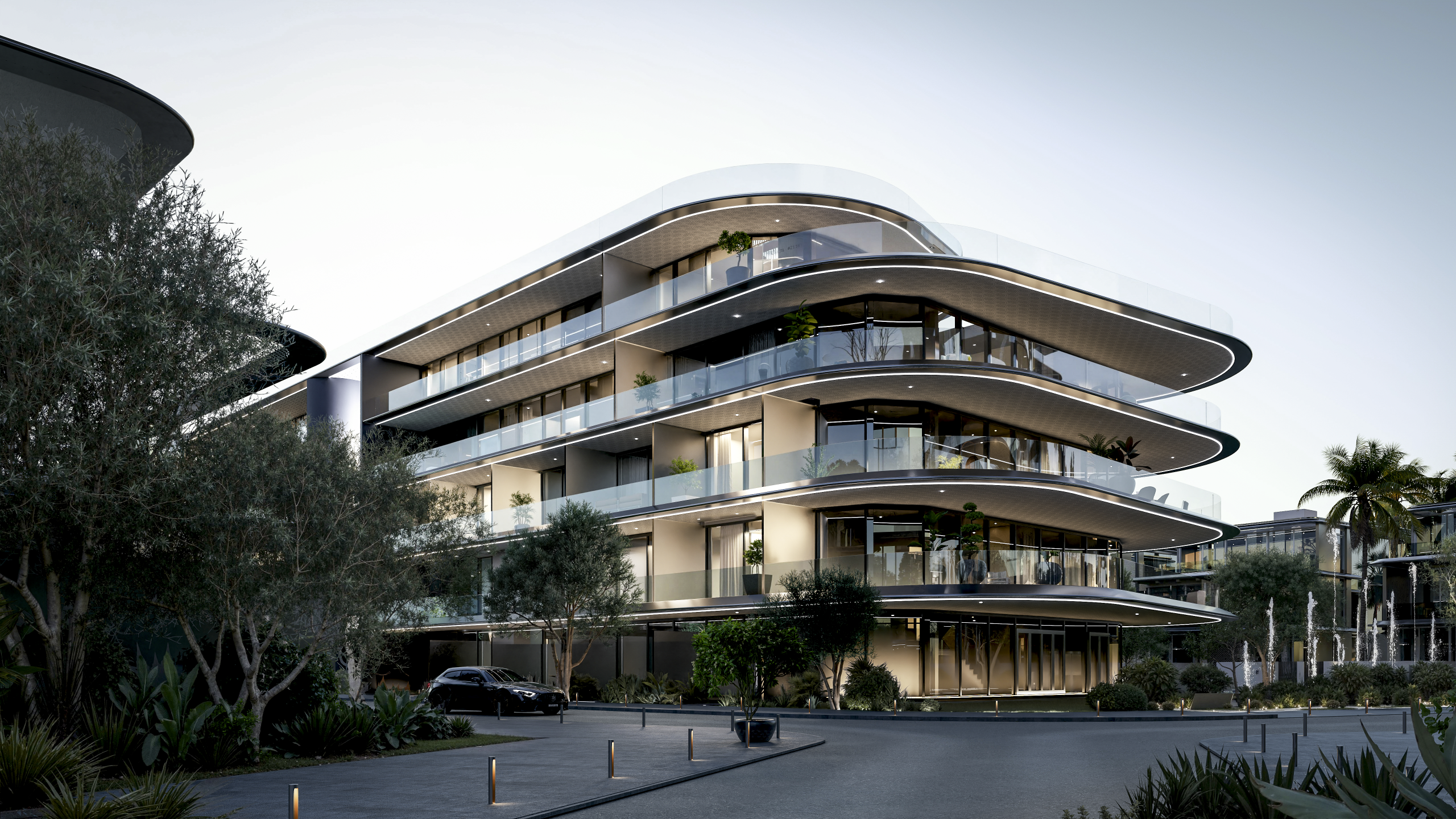
Why Luxury Apartments in Abu Dhabi Are Designed Around Feeling, Not Form
Modern architecture has moved far beyond steel, glass, and concrete. Today, it is about how space makes you feel. From the moment you enter a building to the way light moves across a room at different times of the day, architecture now plays a direct role in shaping emotion, behavior, and lifestyle. This shift is clearly visible in landmark developments such as Brabus Island in Abu Dhabi, Shoma Bay in Miami, and the growing demand for Luxury apartments in Abudhabi, where design is no longer just functional – it is experiential.
In a world where people seek calm, identity, and meaning from their surroundings, architecture has become an emotional language.
Architecture as an Emotional Experience, Not Just a Structure
Great architecture has always influenced human emotion – whether it was the awe inspired by ancient temples or the calm evoked by traditional courtyards. What has changed today is intentionality. Modern architects now design with psychology in mind, carefully shaping how spaces influence mood, comfort, focus, and wellbeing.
Key emotional triggers in architecture include:
- Natural light and shadow
- Spatial proportions and ceiling heights
- Flow and movement through spaces
- Material textures and finishes
- Visual connections to nature and water
- Acoustic comfort and privacy
When these elements are aligned, a building stops being a static object and becomes a living environment that responds to human emotion.
Brabus Island Abu Dhabi: Designing Emotion Through Identity and Presence
Brabus Island by Cosmo Developments, located in Abu Dhabi, represents a bold approach to emotional architecture—one that blends luxury living with a strong sense of identity. This waterfront development is not just about premium residences; it is about creating a feeling of confidence, exclusivity, and presence from the moment one arrives.
How Brabus Island Creates Emotion Through Design
1. Arrival as an experience
The emotional journey begins before stepping inside. Waterfront views, open horizons, and controlled access create a sense of transition – from the outside world into a refined, private realm.
2. Strong architectural character
Modern, assertive lines paired with refined detailing give the architecture a distinct personality. This creates emotional clarity: residents immediately understand the tone of the space—bold, contemporary, and confident.
3. Light, openness, and scale
Large openings, expansive glazing, and thoughtful orientation allow natural light to dominate interiors. Light is one of the strongest emotional tools in architecture, influencing energy levels, calmness, and overall wellbeing.
4. Personalization and lifestyle expression
Modern luxury is no longer one-size-fits-all. Spaces that allow residents to express individuality through layout choices, interior themes, and finishes deepen emotional attachment to the home.
At Brabus Island, architecture is designed to be felt – not just seen.
Shoma Bay Miami: Emotion Through Balance, Rhythm, and Lifestyle Integration
While Shoma Bay is located in Miami, its design philosophy speaks a universal architectural language – one that blends elegance, community, and everyday functionality. Set in North Bay Village, the project reflects a more lifestyle-driven emotional approach.
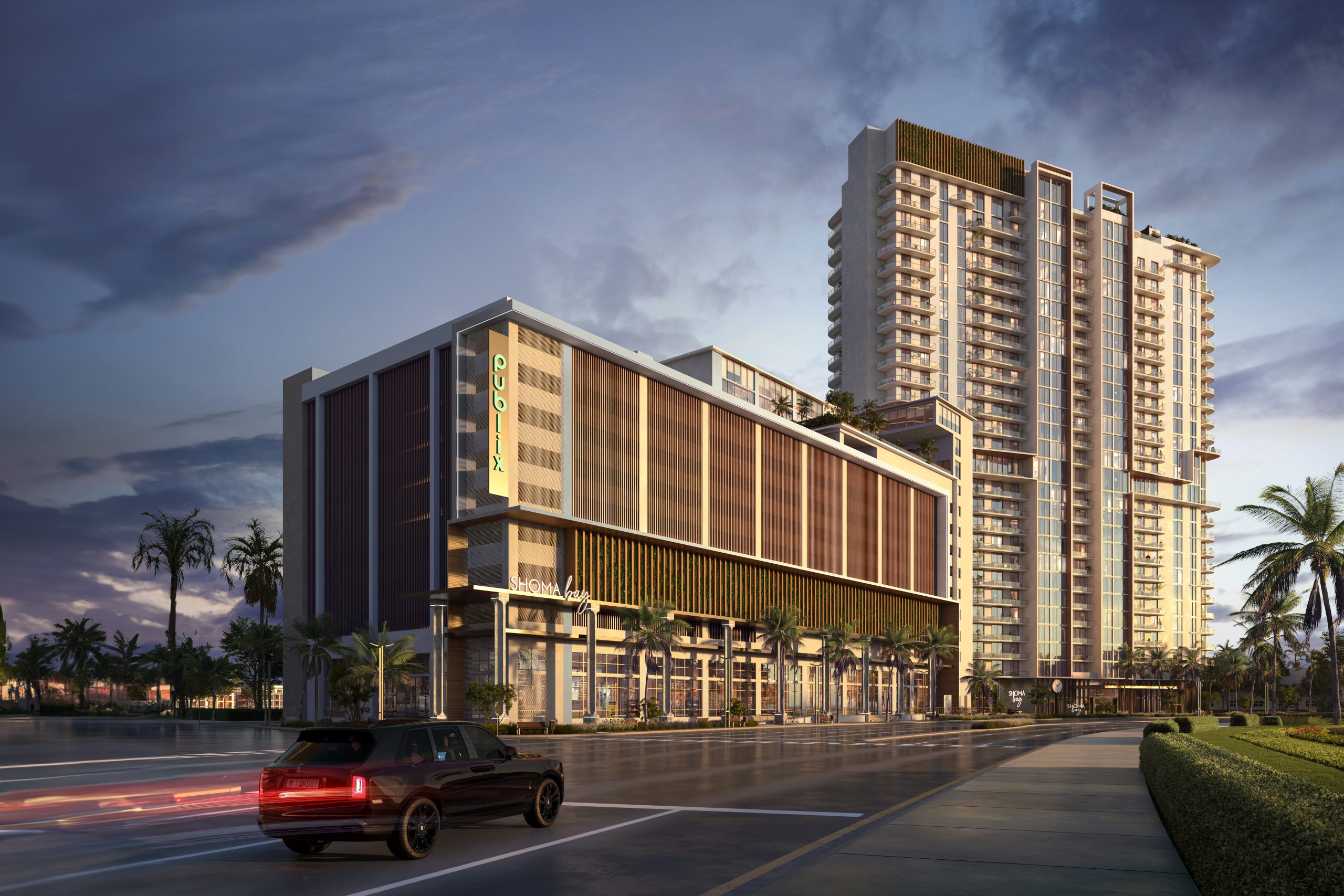
Emotional Architecture at Shoma Bay
1. Calm within the city
Shoma Bay is designed to offer relief from urban intensity. This is achieved through thoughtful planning, softer transitions, and amenities that support wellness and relaxation.
2. Rhythm in daily life
Spaces such as lounges, wellness areas, and social zones are not added as afterthoughts. They are integrated into the architectural flow, supporting everyday rituals – morning routines, work-life balance, and social interaction.
3. Timeless visual language
The combination of classic influences with modern design elements creates emotional familiarity. Spaces feel refined without being overwhelming, modern without feeling cold.
4. Community without compromise
The architecture supports connection while maintaining privacy -an increasingly important emotional need in contemporary residential design.
Shoma Bay demonstrates how architecture can gently shape daily behavior, encouraging balance, comfort, and belonging.
Luxury Apartments in Abudhabi: Why Emotion Is Now the New Definition of Luxury
The conversation around Luxury apartments in Abu Dhabi has changed dramatically. Buyers today are not only evaluating price, location, or square footage – they are evaluating how life will feel inside a space.
Modern luxury in Abu Dhabi is increasingly defined by emotional comfort.
What Buyers Emotionally Expect from Luxury Apartments in Abudhabi
1. Peace and privacy
Well-planned layouts, acoustic insulation, and intelligent zoning create emotional security and restfulness.
2. Natural light and openness
Bright interiors with seamless indoor-outdoor connections enhance mood and reduce stress—especially important in urban living.
3. Effortless movement
From parking access to lobby design to in-home circulation, frictionless design reduces daily mental load.
4. Material quality that feels authentic
Natural stone, wood textures, matte finishes, and refined detailing communicate warmth and permanence – key emotional cues of luxury.
5. A sense of arrival at home
Luxury homes now focus heavily on entry sequences – how it feels to return home after a long day matters more than ever.
In Abu Dhabi’s evolving residential landscape, projects that deliver emotional intelligence through architecture consistently stand apart.
The Universal Principles of Emotion-Driven Architecture
Across global projects – from Brabus Island to Shoma Bay to luxury developments in Abu Dhabi – certain architectural principles consistently create emotional impact:
- Contrast: Moving from compressed to open spaces heightens emotional awareness
- Framing: Views are intentionally revealed, not exposed all at once
- Transitions: Clear movement from public to private zones increases comfort
- Texture: Tactile surfaces humanize modern minimalism
- Silence: Acoustic control is an invisible but powerful luxury
- Proportion: Balanced scale communicates calm and confidence
These principles are timeless, adaptable, and essential to modern architectural storytelling.
Why Architecture That Creates Emotion Holds Long-Term Value
Emotionally intelligent architecture does more than impress – it lasts. Spaces that make people feel calm, inspired, or grounded tend to:
- Build stronger resident attachment
- Age better visually and functionally
- Maintain higher perceived value
- Create positive word-of-mouth and brand trust
This is why developments like Brabus Island in Abu Dhabi and Shoma Bay in Miami are discussed not just as real estate projects, but as lifestyle environments. And it is why the future of Luxury apartments in Abu Dhabi lies in thoughtful, human-centered design rather than excess or ornamentation.
Emotion, Memory, and the Way Spaces Stay With Us
One of the most overlooked aspects of modern architecture is memory. People rarely remember exact dimensions or layouts – but they remember how a space made them feel. A quiet corner flooded with morning light. A balcony where the city feels distant. A living room that feels grounded after a long day.
This is where emotionally driven architecture gains long-term relevance. Spaces that evoke positive emotion tend to become part of a person’s identity. They are spoken about, recommended, and revisited – not because they are large or expensive, but because they resonate.
Developments like Brabus Island in Abu Dhabi and Shoma Bay in Miami demonstrate how architectural design can intentionally craft these moments – by slowing movement, framing views, and creating environments that invite pause rather than rush.
The Role of Water, Horizon, and Openness in Emotional Design
Across global luxury developments, proximity to water consistently plays a powerful emotional role. Waterfront architecture is not just about views – it is about psychological relief.
Water introduces:
- Visual calm through continuous movement
- A sense of openness and distance from density
- Natural light reflection that softens interiors
- A subconscious association with rest and balance
This is why waterfront projects such as Brabus Island by Cosmo Developments and premium coastal developments worldwide command both emotional and market appeal. Similarly, many Luxury apartments in Abu Dhabi increasingly prioritize views, openness, and visual breathing space – even within urban environments -by using setbacks, terraces, and layered elevations.
Architecture that acknowledges the human need for visual escape tends to feel timeless.
Interior Architecture: Where Emotion Becomes Personal
While façades create first impressions, it is interior architecture that determines daily emotional comfort. The most successful modern residences are designed from the inside out.
Key interior elements that influence emotion include:
1. Spatial hierarchy
Clear separation between social spaces and private zones helps residents mentally switch modes – from interaction to rest.
2. Human-scale detailing
Even in large apartments, thoughtful detailing at eye level- textures, lighting, joinery – keeps spaces feeling intimate rather than overwhelming.
3. Soft transitions instead of hard divisions
Sliding panels, layered lighting, and semi-open layouts allow flexibility without visual clutter.
4. Storage as emotional order
Clutter is one of the fastest sources of stress. Intelligent storage design directly improves emotional wellbeing.
Modern Luxury apartments in Abu Dhabi increasingly reflect these principles, focusing on livability rather than excess square footage.
Why Minimalism Works When It Is Emotional, Not Empty
Minimalism often gets misunderstood as “less design.” In reality, emotional minimalism requires more precision.
Projects like Brabus Island by Cosmo Developments demonstrate how restraint can heighten emotional clarity:
- Fewer materials, but higher quality
- Simpler forms, but stronger proportions
- Reduced ornamentation, but richer spatial experience
When done correctly, minimalism allows residents to project their own identity into the space. This creates a deeper emotional bond than highly decorative, trend-driven interiors that age quickly.
The same philosophy is visible in refined developments like Shoma Bay, where balance and clarity define the spatial language.
Architecture as a Lifestyle Signal
In today’s luxury real estate market, architecture communicates status quietly. Emotional architecture does not shout – it signals.
A well-designed residence suggests:
- Control over one’s environment
- Appreciation for quality and detail
- A preference for calm over chaos
- Long-term thinking over short-term trends
This is why modern buyers evaluating Luxury apartments in Abu Dhabi increasingly respond to projects that feel composed, intentional, and emotionally grounded – rather than overtly opulent.
Architecture becomes a reflection of values, not just wealth.
Technology, Comfort, and Invisible Luxury
Another important continuation in emotional architecture is the rise of invisible comfort. Technology now supports emotion rather than dominating it.
Examples include:
- Climate systems that adapt quietly to daily rhythms
- Lighting that shifts warmth throughout the day
- Acoustic engineering that reduces ambient noise
- Smart layouts that simplify everyday tasks
When technology works seamlessly in the background, residents experience comfort without cognitive effort. This subtle ease is a defining feature of contemporary luxury across projects globally—from Miami to Abu Dhabi.
Emotional Sustainability: Designing for Long-Term Wellbeing
Sustainability is no longer just environmental – it is emotional.
Spaces that support mental wellbeing, adaptability, and comfort over decades are more sustainable than those designed purely for visual impact. Architecture that ages gracefully – both physically and emotionally – retains relevance.
This long-term thinking is evident in:
- Durable material choices
- Flexible layouts that adapt to life stages
- Neutral palettes that allow personalization
- Timeless proportions rather than trend-based forms
For developers, designers, and residents alike, emotionally sustainable architecture represents real value.
The Enduring Power of Emotion in Architecture
As cities grow denser and lives grow faster, the role of architecture as an emotional anchor becomes more important than ever.
Projects like Brabus Island in Abu Dhabi and Shoma Bay in Miami show how design can create identity, calm, and connection through thoughtful spatial planning. At the same time, the evolution of Luxury apartments in Abu Dhabi reflects a broader shift toward homes that nurture wellbeing rather than simply display status.
In the end, the art of space lies in understanding people – not just structures.
Because architecture that moves you emotionally is architecture that truly lasts.
FAQ Section
1. How does modern architecture create emotion?
Modern architecture creates emotion through light, spatial flow, material choice, proportions, and views. These elements influence how calm, focused, or inspired people feel inside a space.
2. What makes Brabus Island in Abu Dhabi emotionally unique?
Brabus Island creates emotion through bold architectural identity, waterfront openness, controlled arrival sequences, and interiors designed to reflect confidence and individuality.
3. How is Shoma Bay in Miami different from traditional luxury residences?
Shoma Bay integrates lifestyle, wellness, and community into its architecture, creating emotional balance through thoughtful amenities, calm interiors, and everyday functionality.
4. Why are luxury apartments in Abu Dhabi focusing more on emotional design?
Luxury apartments in Abu Dhabi are increasingly designed around wellbeing, privacy, natural light, and comfort because buyers now prioritize how a home feels, not just how it looks.
5. Is emotional architecture important for long-term property value?
Yes. Emotionally intelligent architecture builds stronger resident attachment, ages better over time, and maintains higher perceived value compared to trend-driven designs.
Stay updated with Cosmo Developments, your trusted partner in shaping the future of luxury residences in the UAE. Visit website to explore our latest projects, follow us on Instagram and Facebook , for community highlights and design previews, and connect with us on LinkedIn for corporate updates